Certified Computer Hacking Forensic Investigator (CHFI)
Official EC-Council training to master computer forensics investigation, digital evidence analysis, and handling cyber incidents professionally.

Join the Computer Hacking Forensic Investigator (CHFI) Training
The CHFI training teaches participants how to detect, recover, and analyze digital evidence from various cyber attacks, including hacking, malware, and insider threats. Participants will learn the complete forensic investigation process from evidence collection, analysis, to legally valid forensic reporting. With hands-on labs and real case studies, participants are prepared to face modern digital security challenges and earn the official EC-Council CHFI certification.
Benefits of Joining Training at Temika Cyber
Hands-on Forensic Lab
Real simulation in monitoring, detecting, and responding to incidents using SIEM and popular tools.
Official EC-Council CHFI Material
The curriculum is in accordance with EC-Council standards, covering file system investigation, log analysis, email, malware, and cloud forensics.
Incident Handling & Evidence Collection
Learn collection, preservation, and analysis techniques of digital evidence using forensic methods that are valid in court.
Exam Preparation & Certification Path
Guidance, tips, and practice questions to prepare for the CHFI exam and obtain international certification.
Career-Ready Skills & Networking
Master the skills sought by companies: digital forensic investigation, incident response, threat analysis, and professional reporting.
Advanced Forensic Tools & Frameworks
Mastering popular tools such as EnCase, FTK, X-Ways, Autopsy, and malware analysis for comprehensive investigations.
Why Should You Master CHFI?

🚀 High Forensic Professional Demand
With the increasing cyber attacks, companies and government agencies need digital forensic experts to investigate incidents and prevent greater losses.

💰 Career Prospects & Competitive Salaries
CHFI professionals can work as digital forensic analysts, cyber investigators, or SOC analysts, with attractive salary opportunities and a continuously developing career.

⚡ Mastering Crucial Digital Investigation Skills
Participants learn to collect digital evidence, analyze malware, investigate networks, and compile legally valid reports, making these skills highly valuable in the job market.
Jadwal Pelatihan
Pelatihan dimulai
Program Akan dilaksanakan secara: –
Periode Kelas: –
Estimasi Durasi Belajar: –
Training Objectives
After successfully completing this course, participants will be able to:
-
Understanding the principles of computer and network forensic investigation.
-
Mastering the techniques of collecting and preserving digital evidence.
-
Able to analyze malware, logs, emails, and file systems.
-
Understanding the legal procedures and compliance related to digital evidence.
-
Using popular forensic tools for professional investigation.
-
Preparing a legitimate forensic report for audit and court.
-
Ready to take the official CHFI certification exam from EC-Council.
Sylllabus
- 09:00 – 09:30: Welcome & Course Introduction
- Introductions and expectations.
- Overview of CHFI certification and exam process.
- 09:30 – 10:45: Module 01 – Computer Forensics Overview
- Introduction to digital forensics and types of evidence.
- Legal considerations in digital investigations.
- 10:45 – 11:00: Morning Break
- 11:00 – 12:30: Module 02 – Investigative Process
- Steps in forensic investigation: Identification, Collection, Examination, Analysis, Reporting.
- 12:30 – 13:30: Lunch Break
- 13:30 – 15:00: Module 03 – Digital Evidence & Acquisition
- Techniques for acquiring and preserving digital evidence.
- Hands-on Lab: Creating forensic images of disks and devices.
- 15:00 – 15:15: Afternoon Break
- 15:15 – 16:45: Module 04 – File Systems Forensics
- Analysis of FAT, NTFS, EXT, and other file systems.
- Hands-on Lab: File system investigation exercises.
- 16:45 – 17:00: Day 1 Wrap-up & Q&A
- 09:00 – 10:30: Module 05 – Windows Forensics
- Analyzing registry, event logs, and system artifacts.
- Hands-on Lab: Windows OS forensic analysis.
- 10:30 – 10:45: Morning Break
- 10:45 – 12:15: Module 06 – Linux & Mac Forensics
- Investigating Linux and macOS systems.
- Hands-on Lab: Collecting and analyzing logs and file systems.
- 12:15 – 13:15: Lunch Break
- 13:15 – 15:00: Module 07 – Disk & Data Forensics
- Recovering deleted files, partitions, and slack space analysis.
- Hands-on Lab: Disk imaging and recovery.
- 15:00 – 15:15: Afternoon Break
- 15:15 – 16:45: Module 08 – Case Study: Evidence Collection
- Practical exercises on acquiring evidence from real-world scenarios.
- 16:45 – 17:00: Day 2 Wrap-up & Q&A
- 09:00 – 10:30: Module 09 – Network Forensics
- Analyzing network traffic, packet captures, and intrusion evidence.
- Hands-on Lab: Monitoring and analyzing network attacks.
- 10:30 – 10:45: Morning Break
- 10:45 – 12:15: Module 10 – Email & Web Forensics
- Investigating emails, attachments, and web-based attacks.
- Hands-on Lab: Email header analysis and web log investigation.
- 12:15 – 13:15: Lunch Break
- 13:15 – 15:00: Module 11 – Malware Forensics Basics
- Identifying malware, analyzing infection vectors, and extracting evidence.
- Hands-on Lab: Malware analysis in sandbox environment.
- 15:00 – 15:15: Afternoon Break
- 15:15 – 16:45: Module 12 – Case Study: Network Intrusion
- Practical exercises simulating real network attacks.
- 16:45 – 17:00: Day 3 Wrap-up & Q&A
- 09:00 – 10:30: Module 13 – Mobile Device Forensics
- Investigating Android & iOS devices.
- Hands-on Lab: Extracting and analyzing mobile data.
- 10:30 – 10:45: Morning Break
- 10:45 – 12:15: Module 14 – Cloud Forensics
- Investigating cloud services and data preservation.
- Hands-on Lab: Collecting evidence from cloud platforms.
- 12:15 – 13:15: Lunch Break
- 13:15 – 15:00: Module 15 – Encryption & Data Recovery
- Decrypting files and recovering encrypted evidence.
- Hands-on Lab: Recovery of encrypted or hidden data.
- 15:00 – 15:15: Afternoon Break
- 15:15 – 16:45: Module 16 – Case Study: Complex Investigation
- Practical forensic investigation integrating multiple devices and evidence sources.
- 16:45 – 17:00: Day 4 Wrap-up & Q&A
- 09:00 – 10:30: Module 17 – Review of CHFI Core Concepts
- Recap of investigation techniques, evidence handling, and tools.
- 10:30 – 10:45: Morning Break
- 10:45 – 12:15: Module 18 – Threat Scenarios & Hands-on Lab
- Simulated forensic cases integrating multiple evidence sources.
- 12:15 – 13:15: Lunch Break
- 13:15 – 15:00: Module 19 – Exam Tips & Practice Questions
- Discussion of exam format, practice questions, and scoring strategies.
- 15:00 – 15:15: Afternoon Break
- 15:15 – 16:45: Module 20 – Mock Assessment & Q&A
- Scenario-based mock assessment simulating real exam environment.
- 16:45 – 17:00: Course Wrap-up & Certification Guidance
Meet Your Expert

Trainer 1
Ethical Hacker
Trainer 2
Ethical Hacker
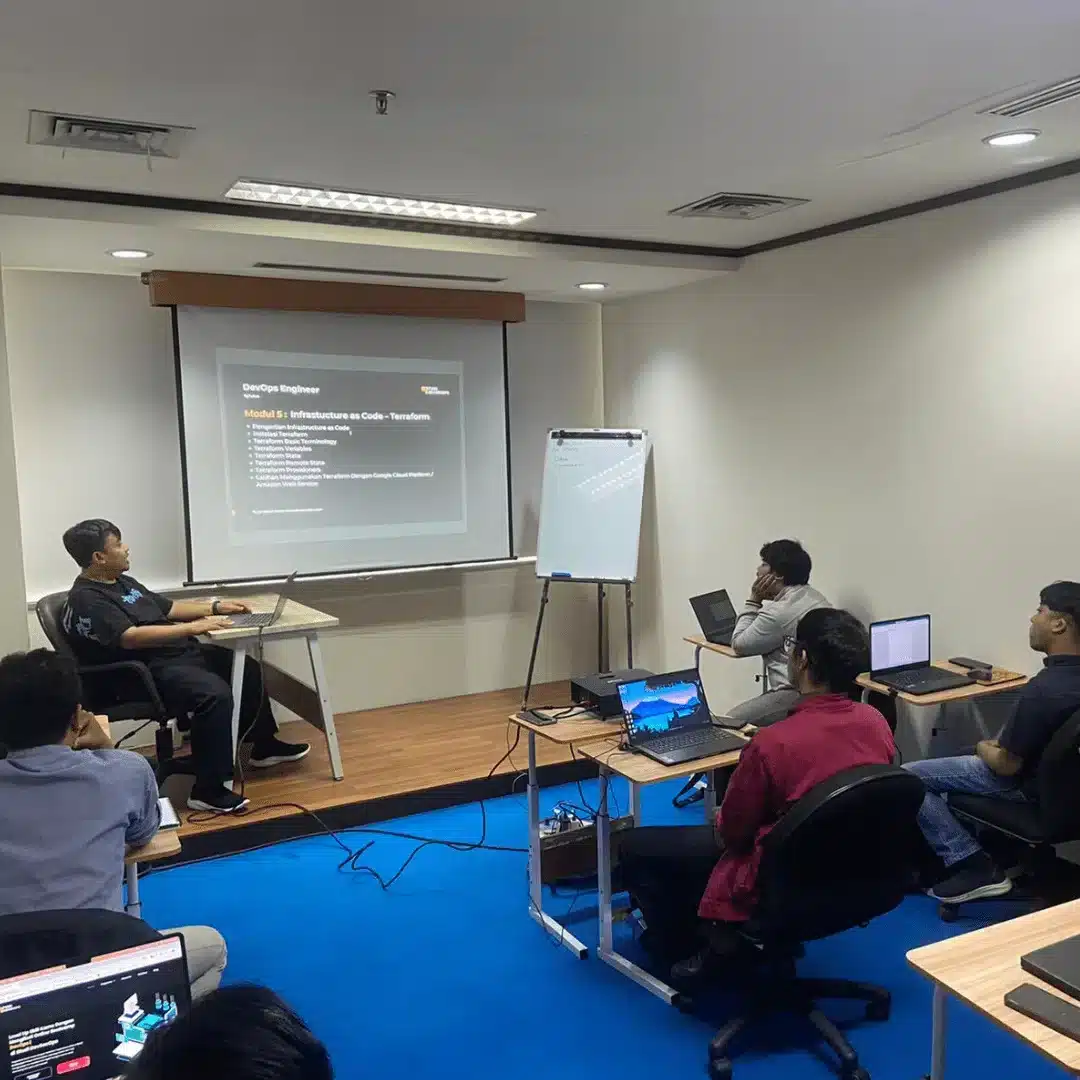
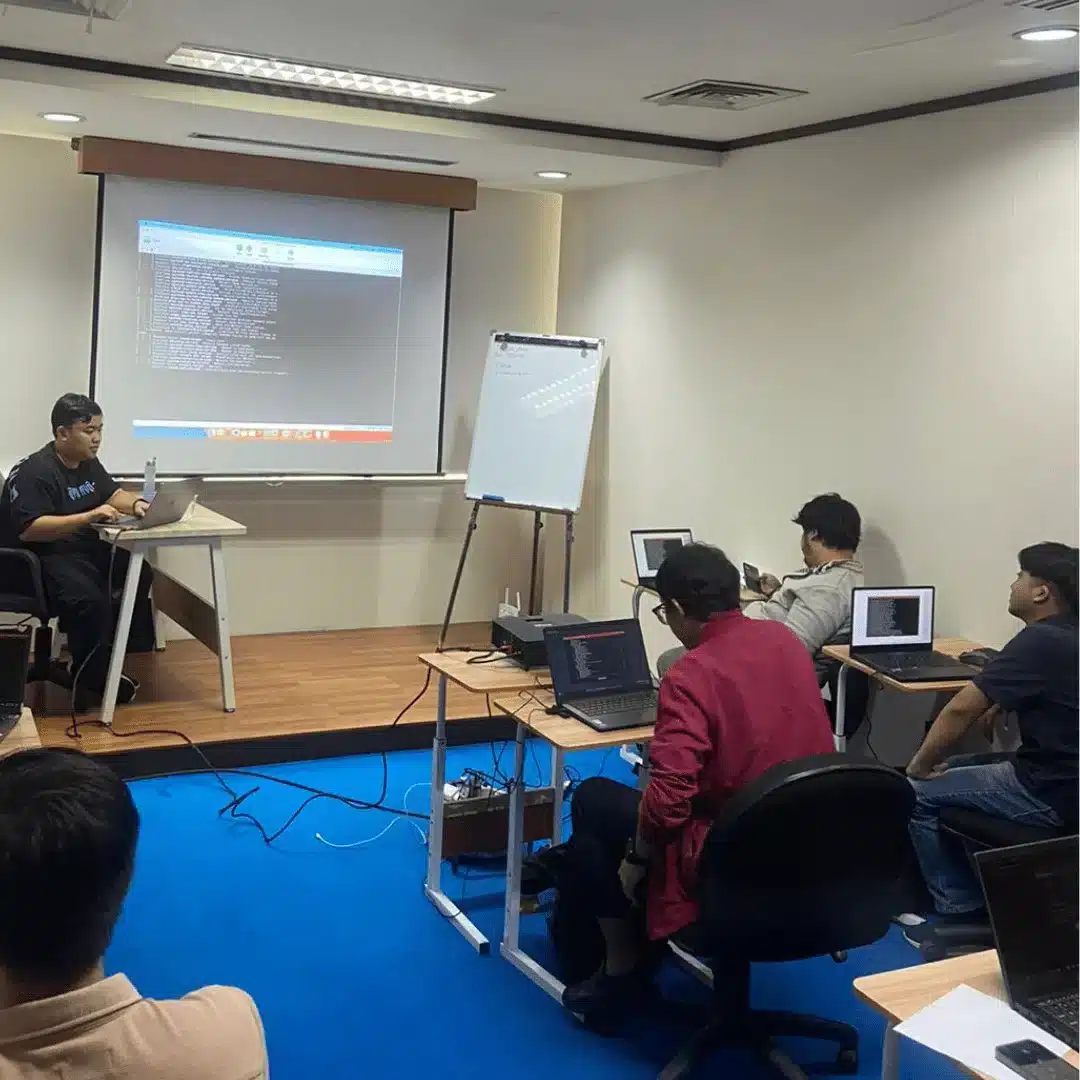
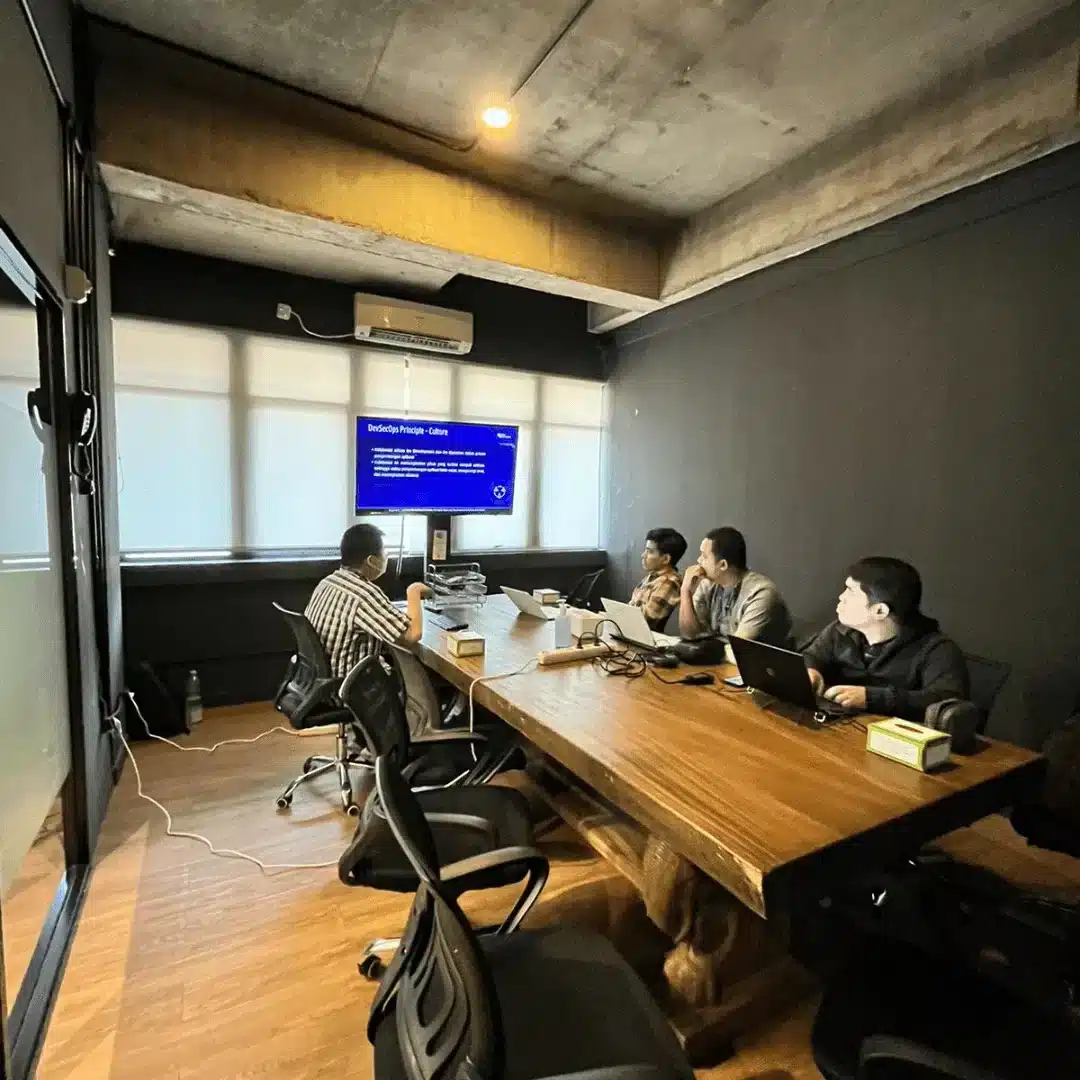
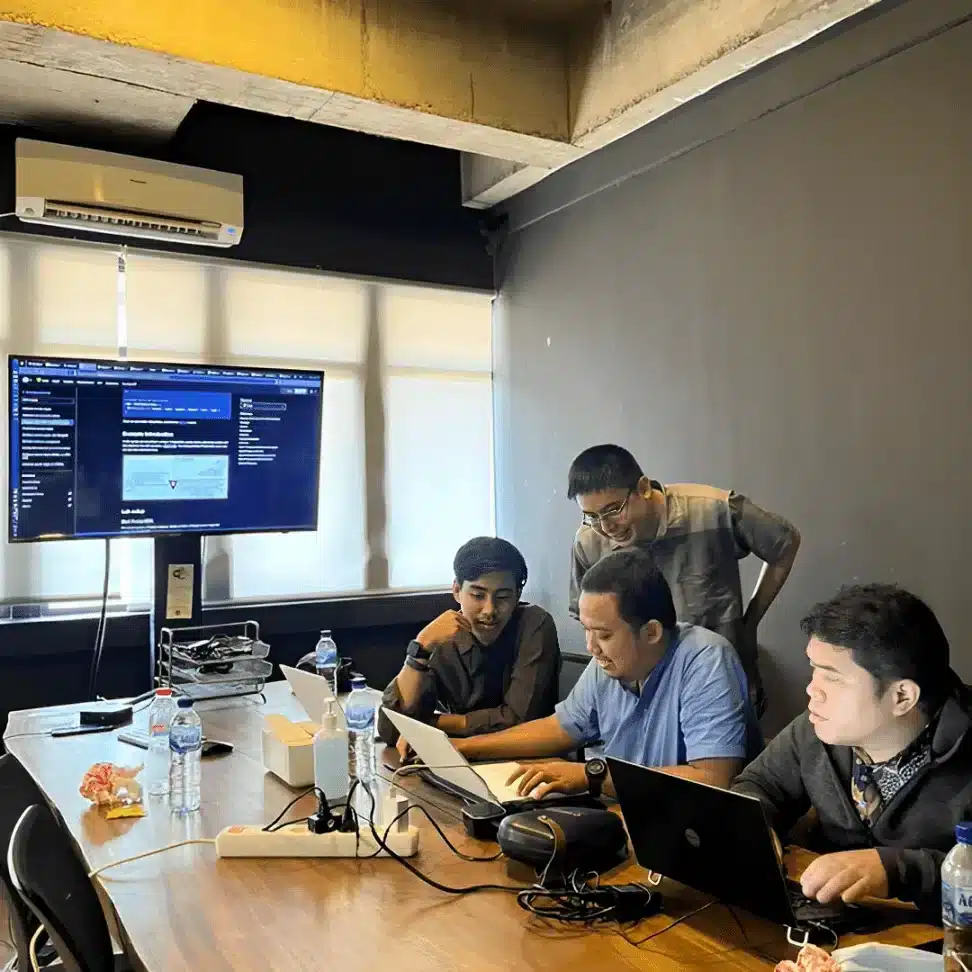
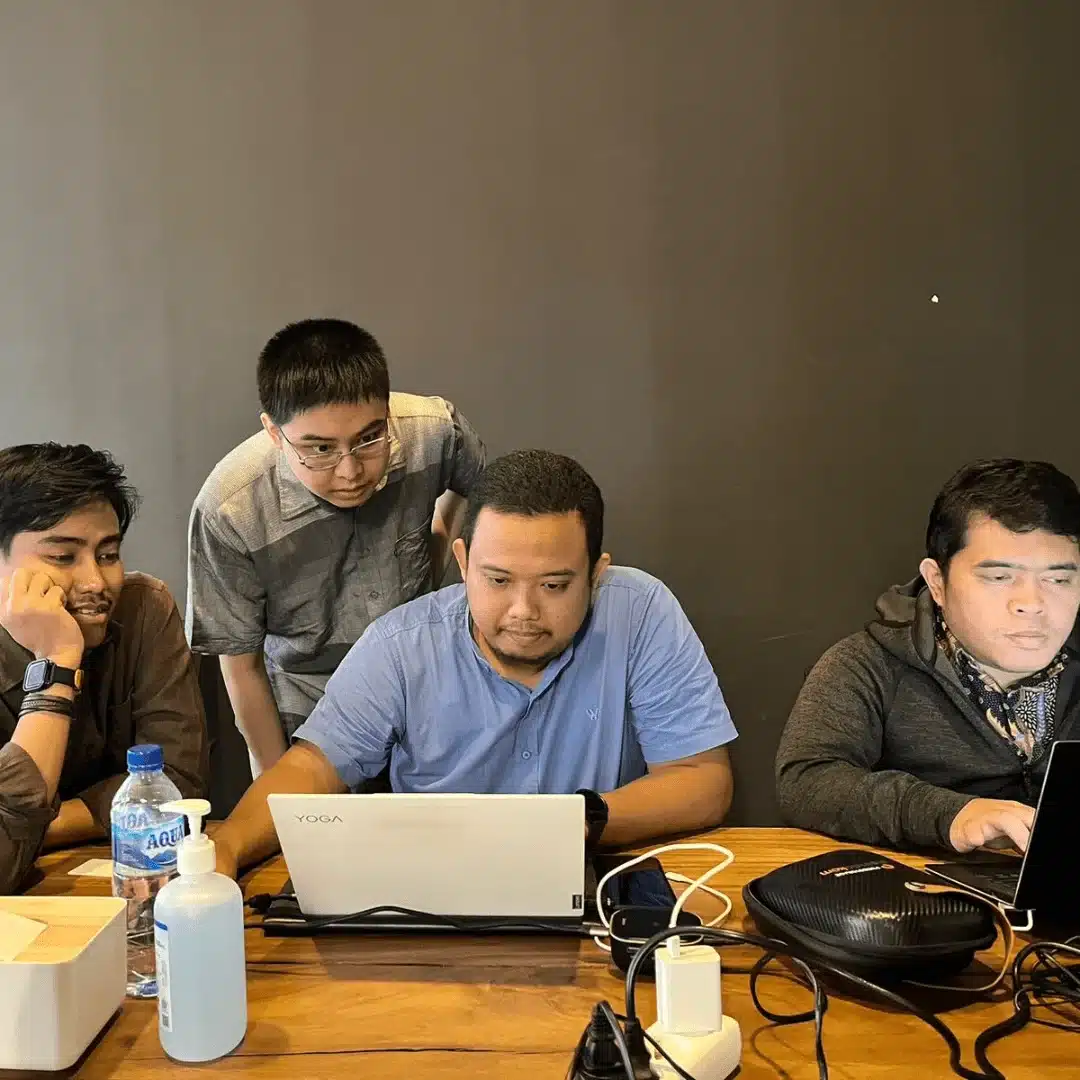
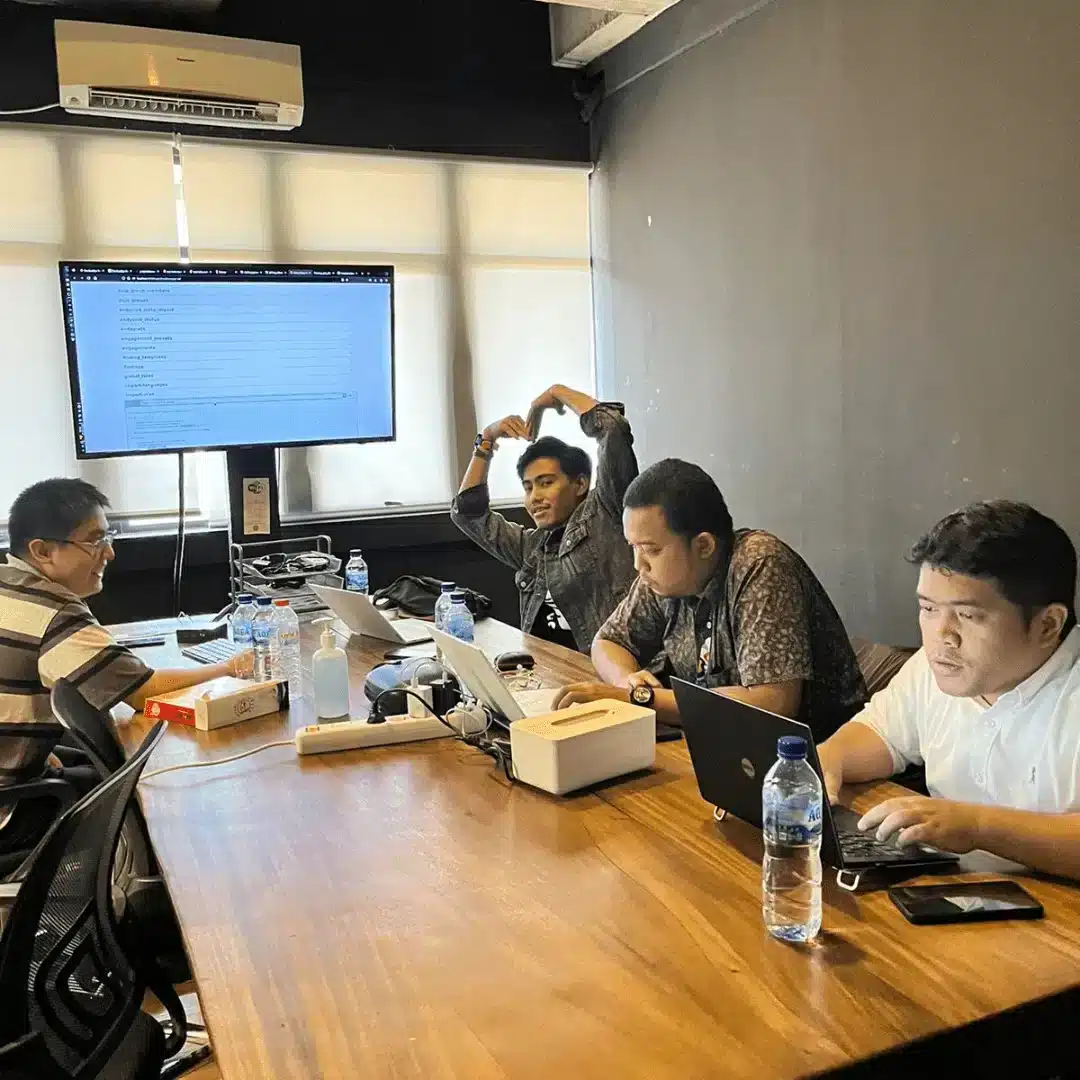
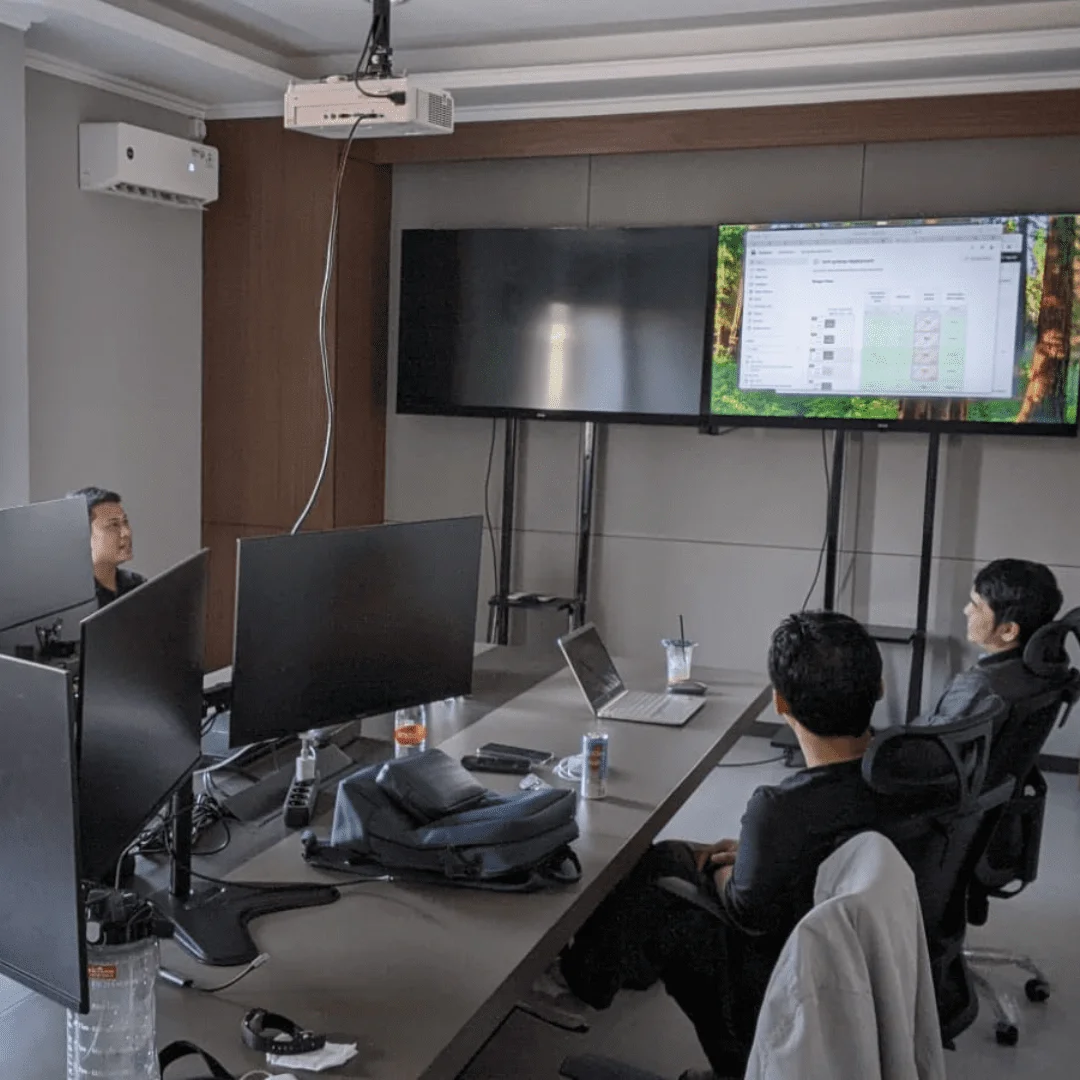
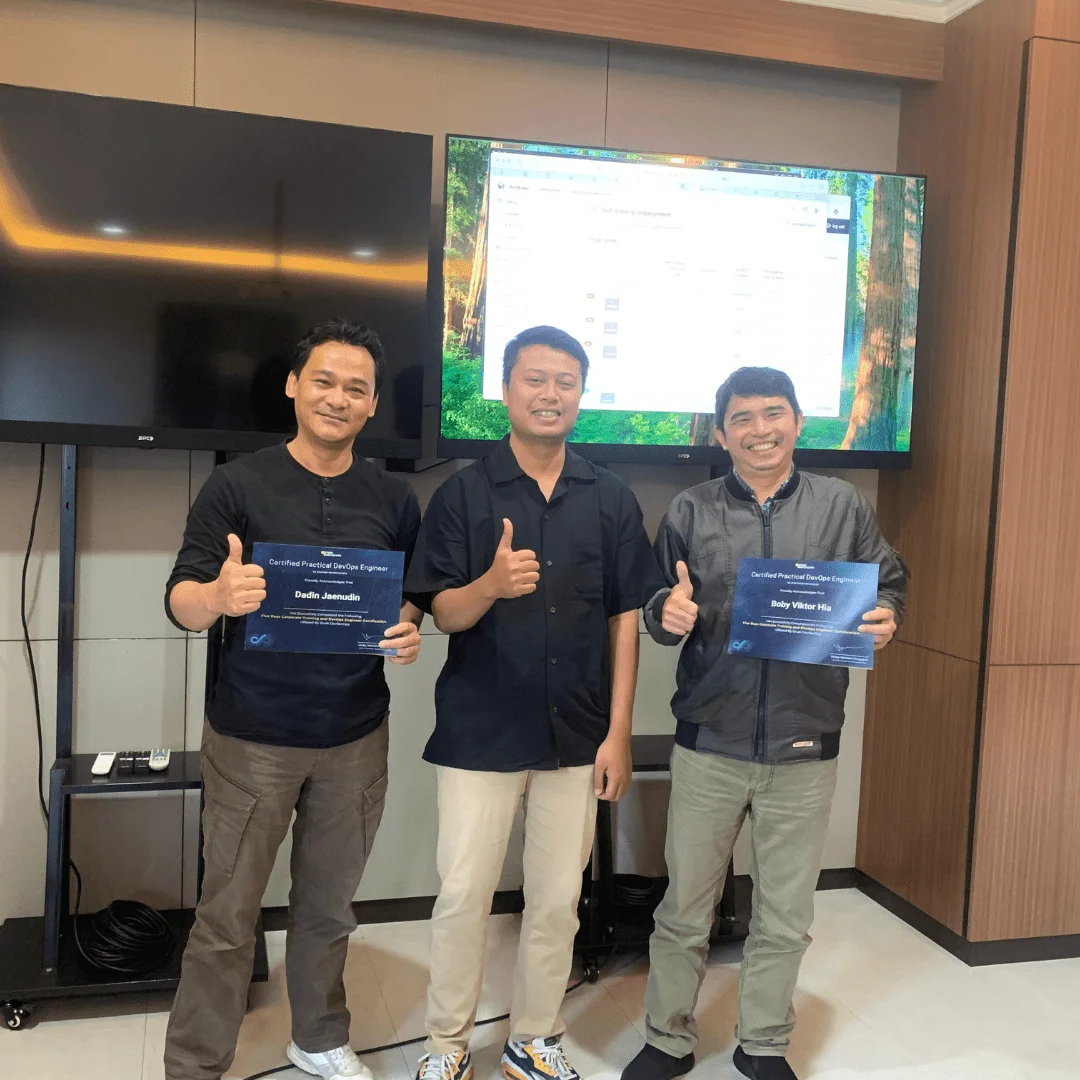
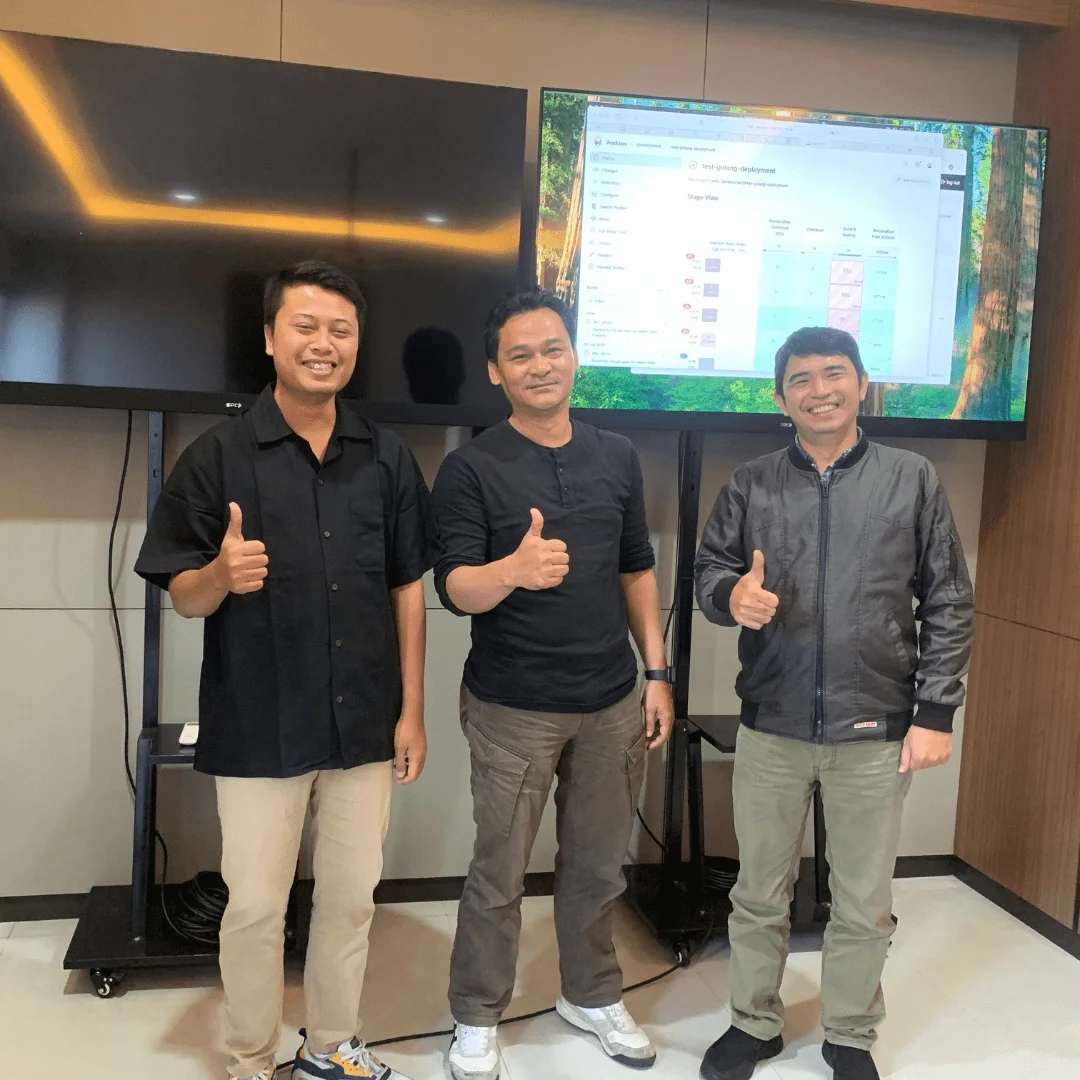
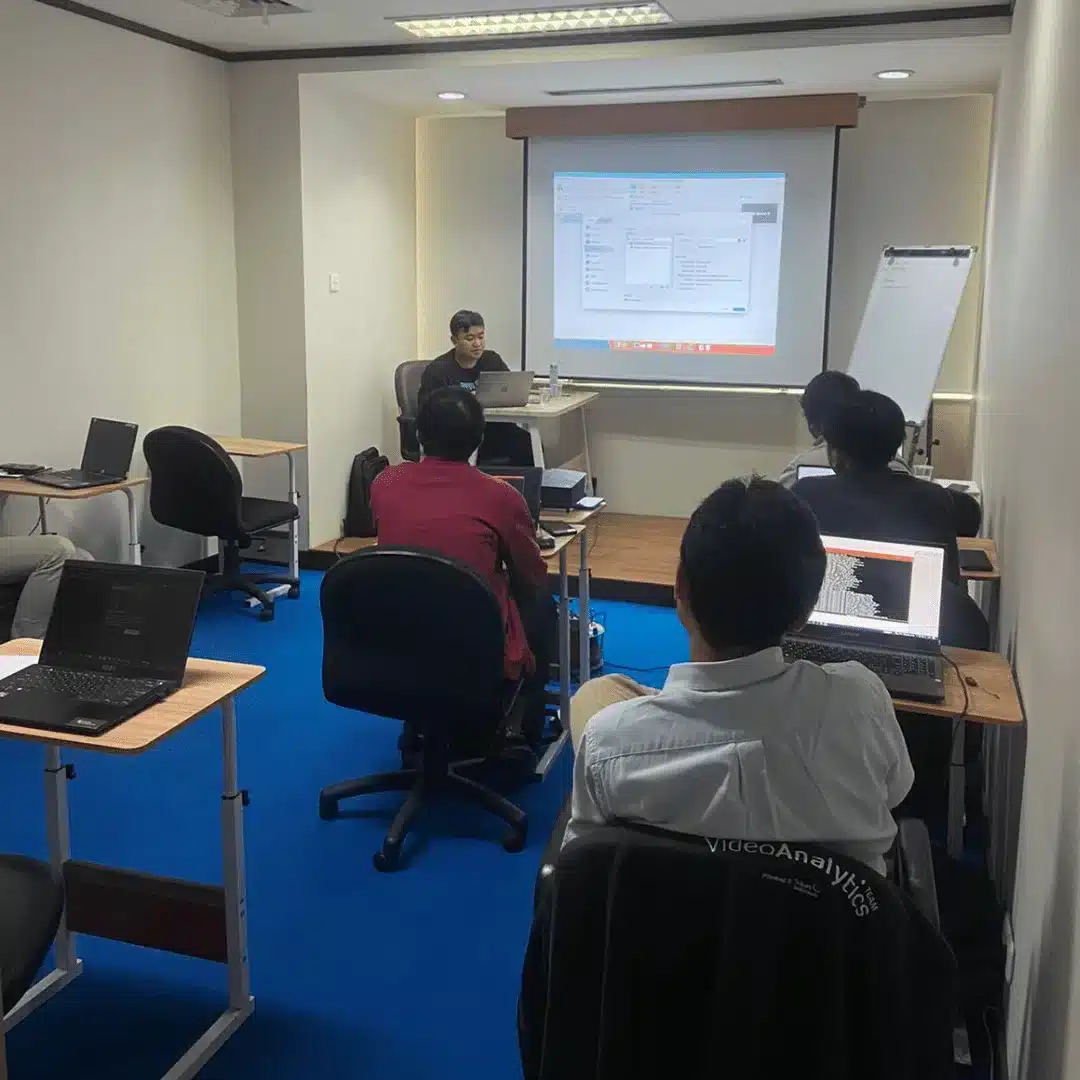
Training Gallery
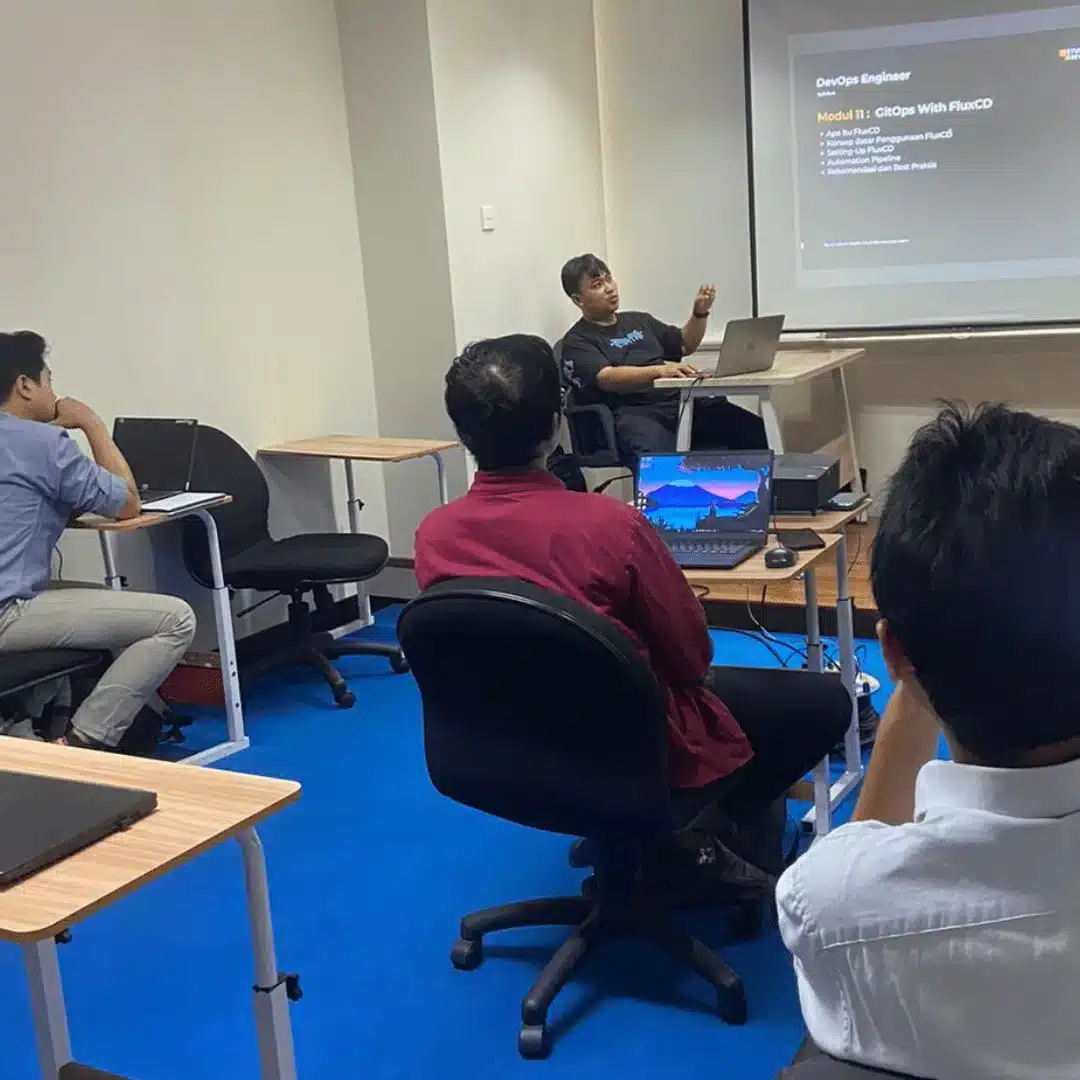
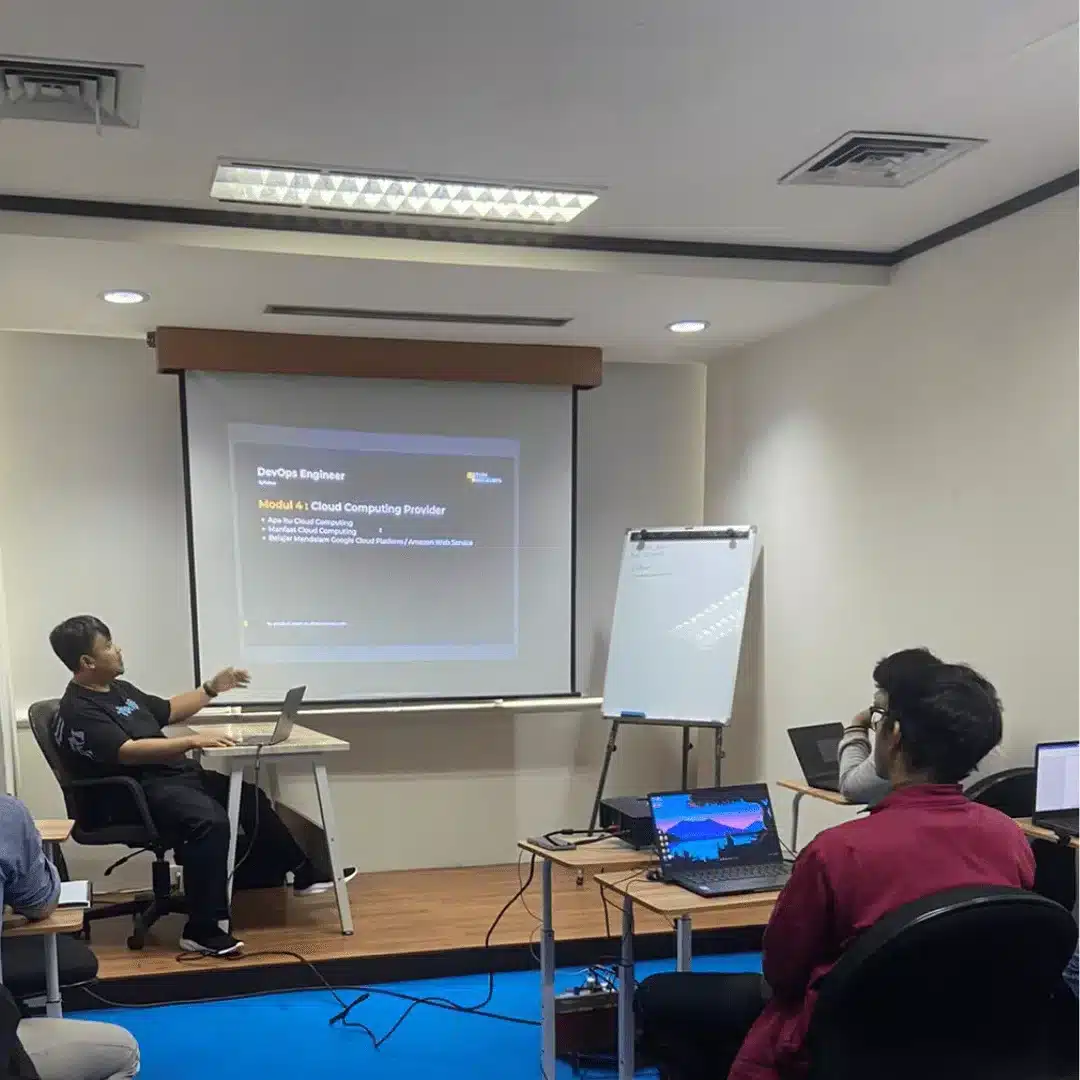
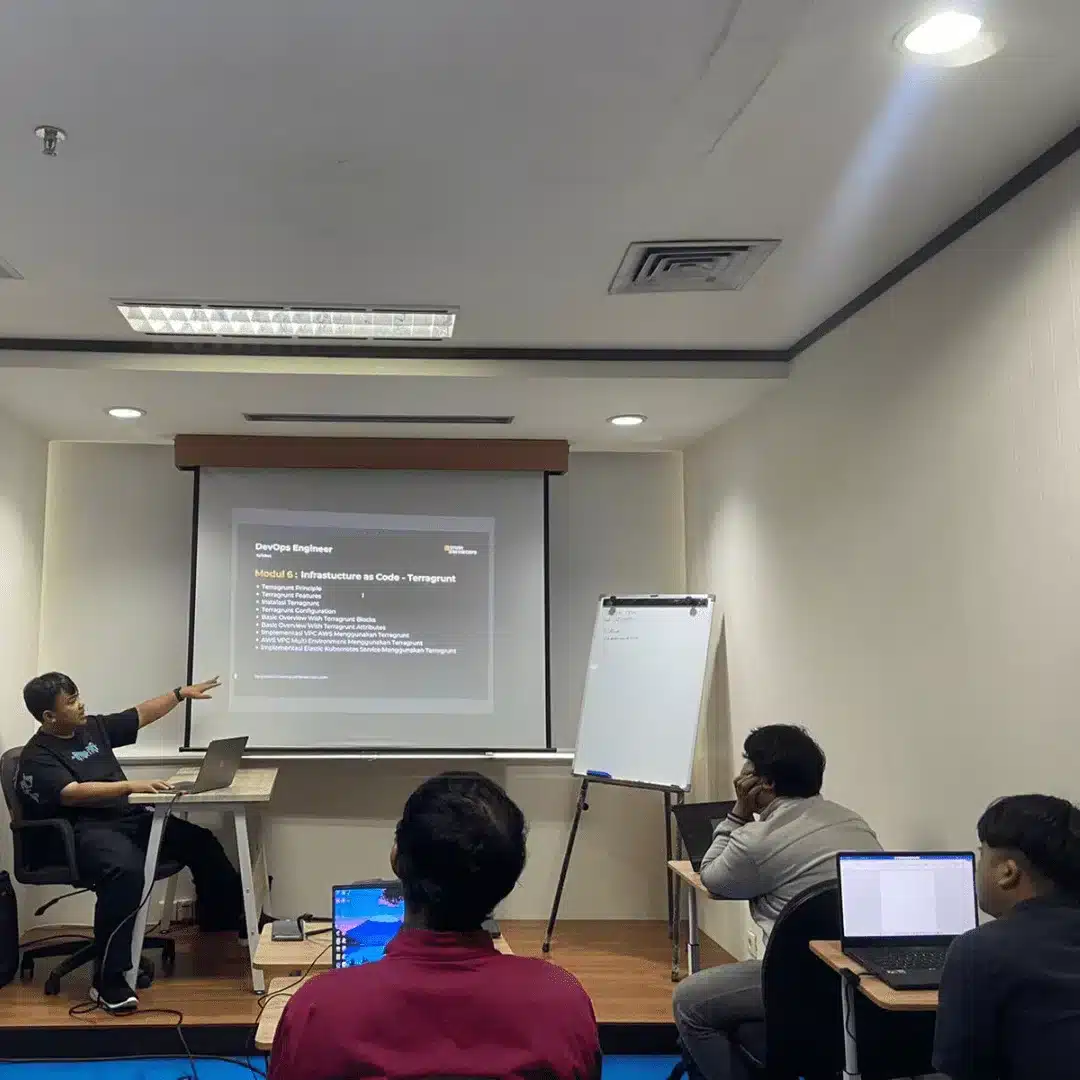
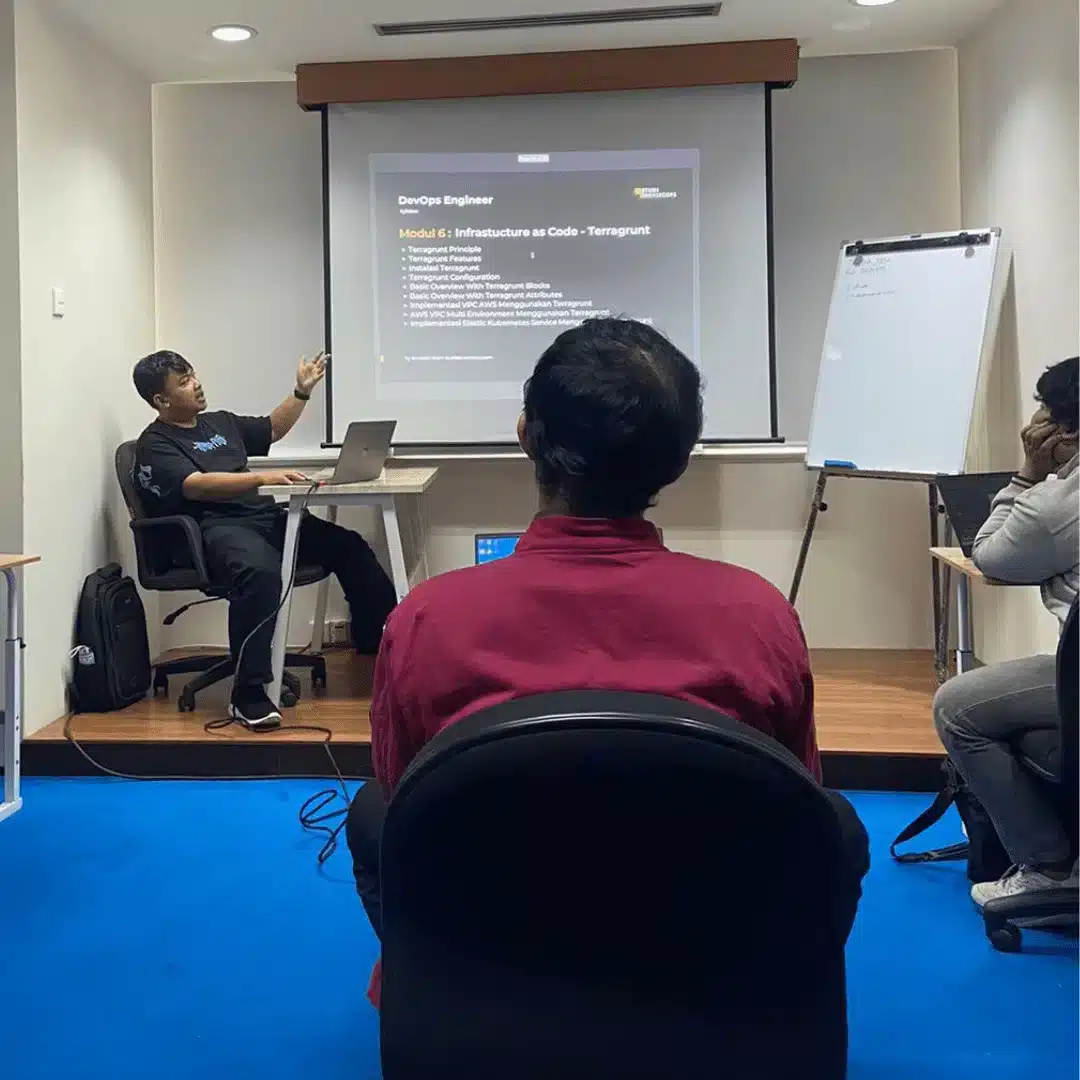
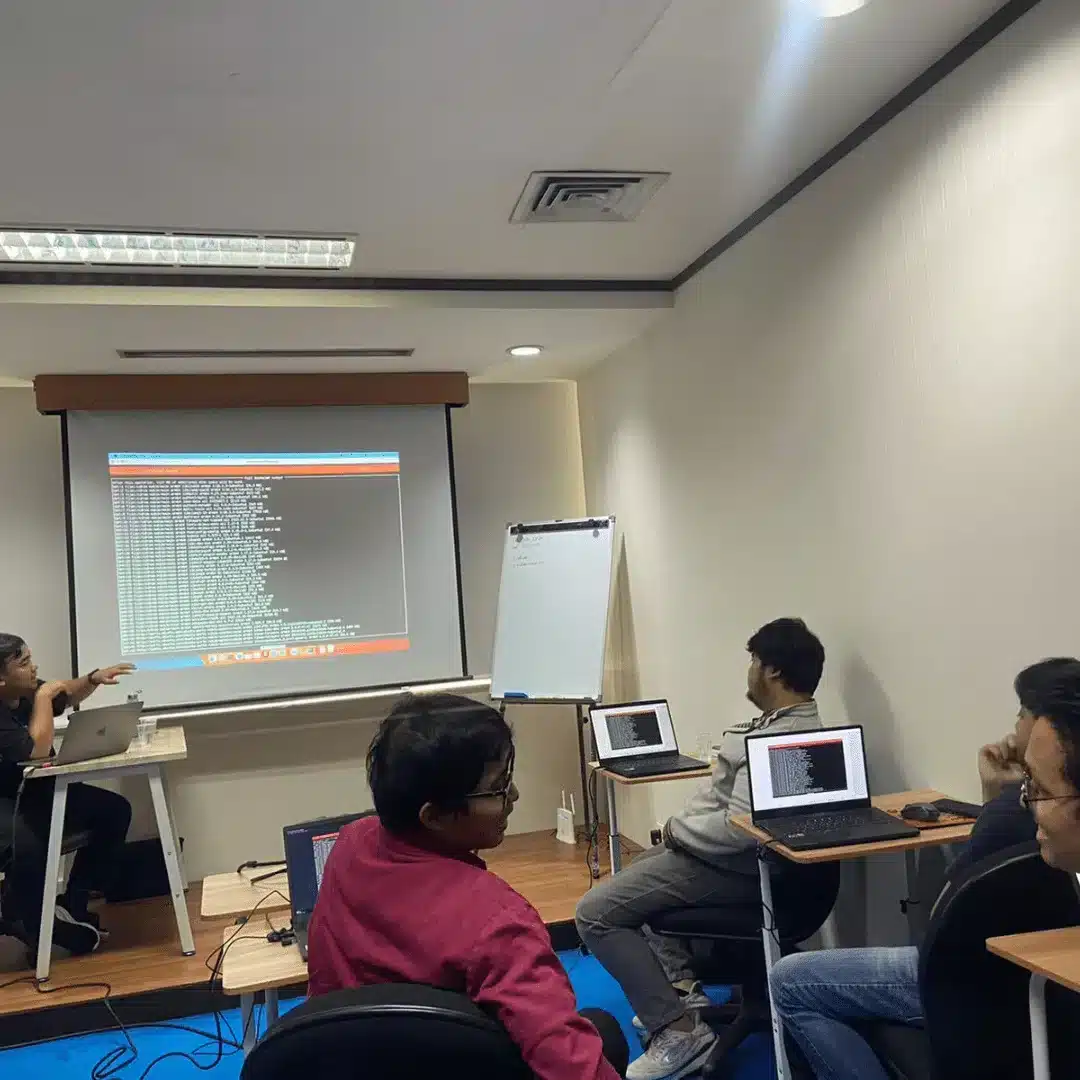
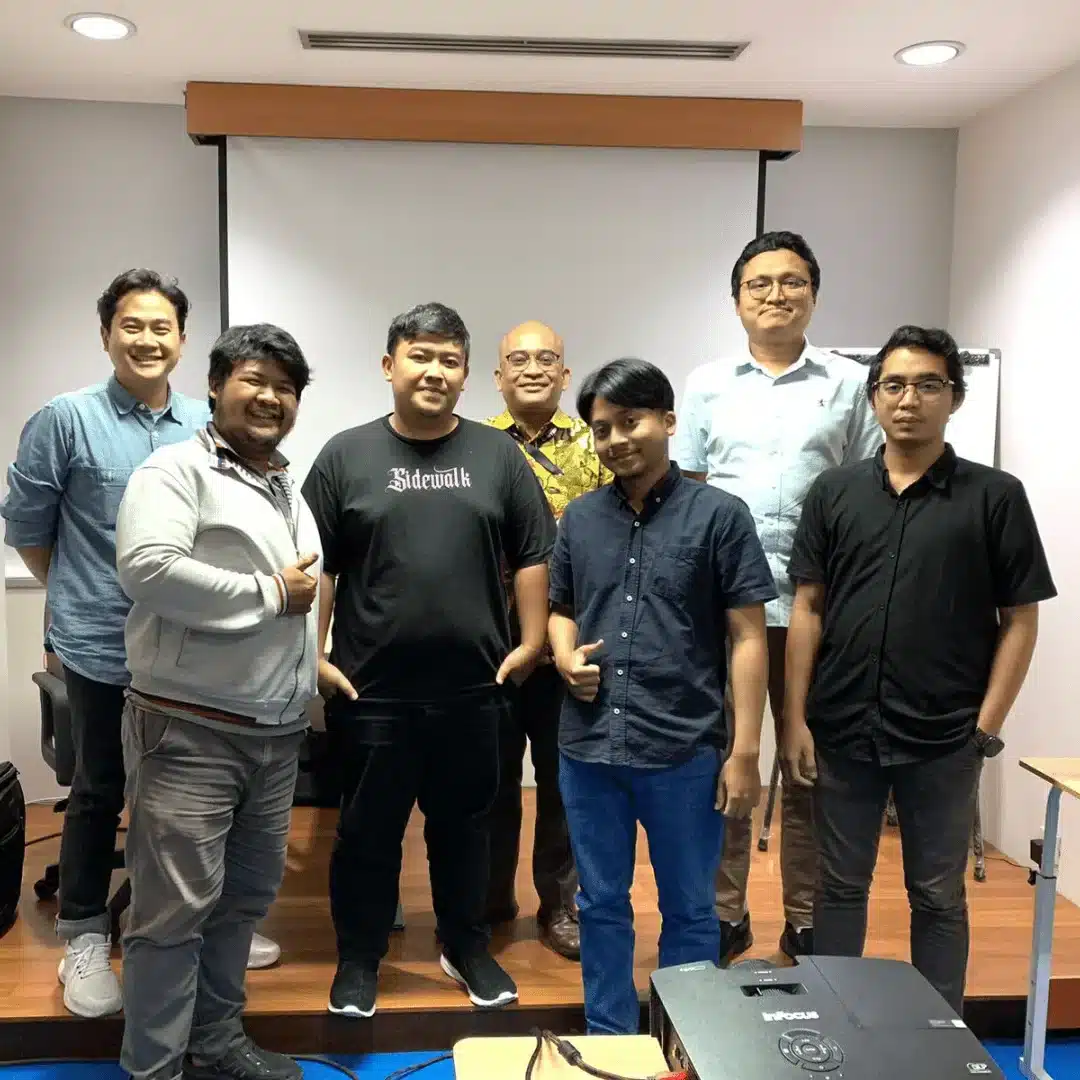
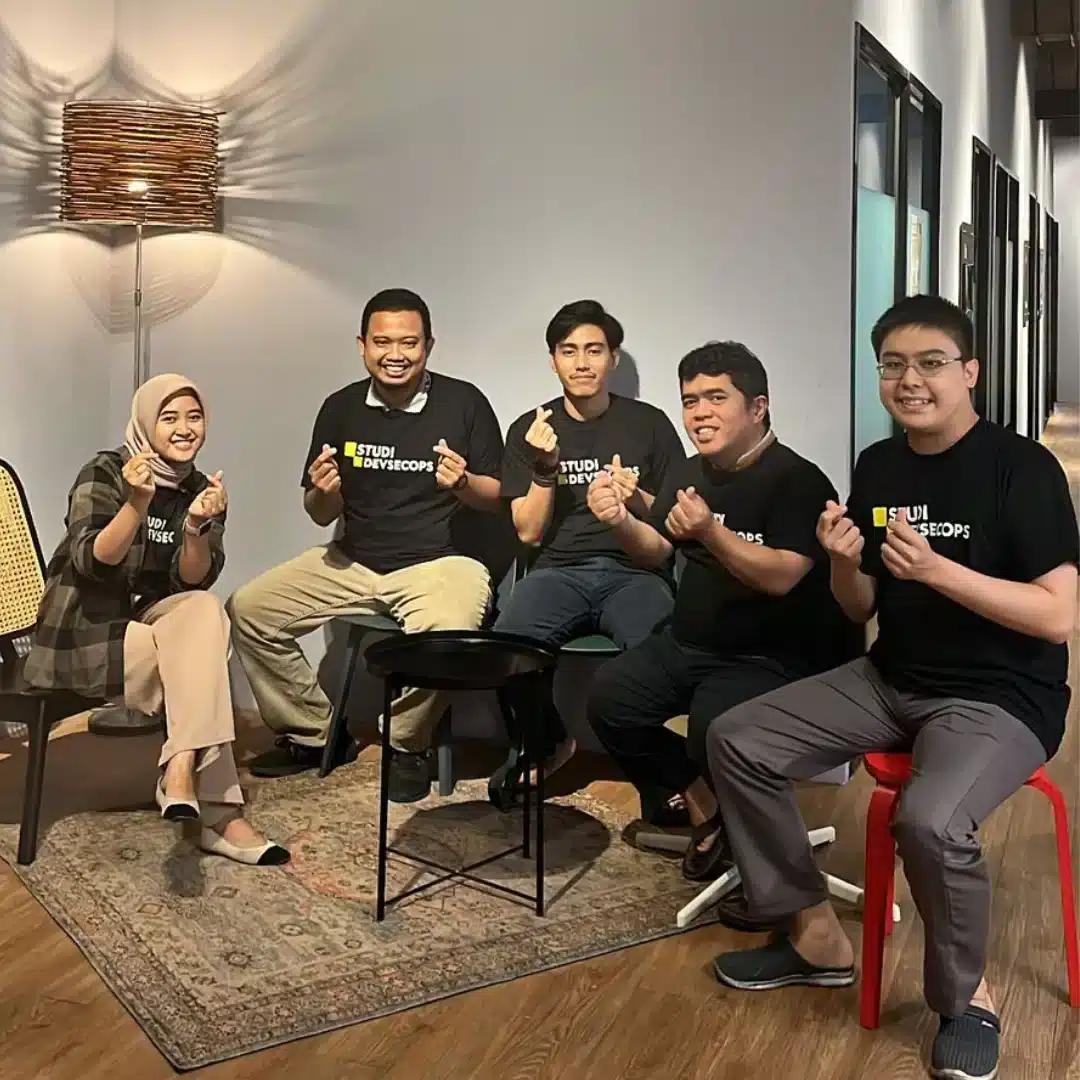
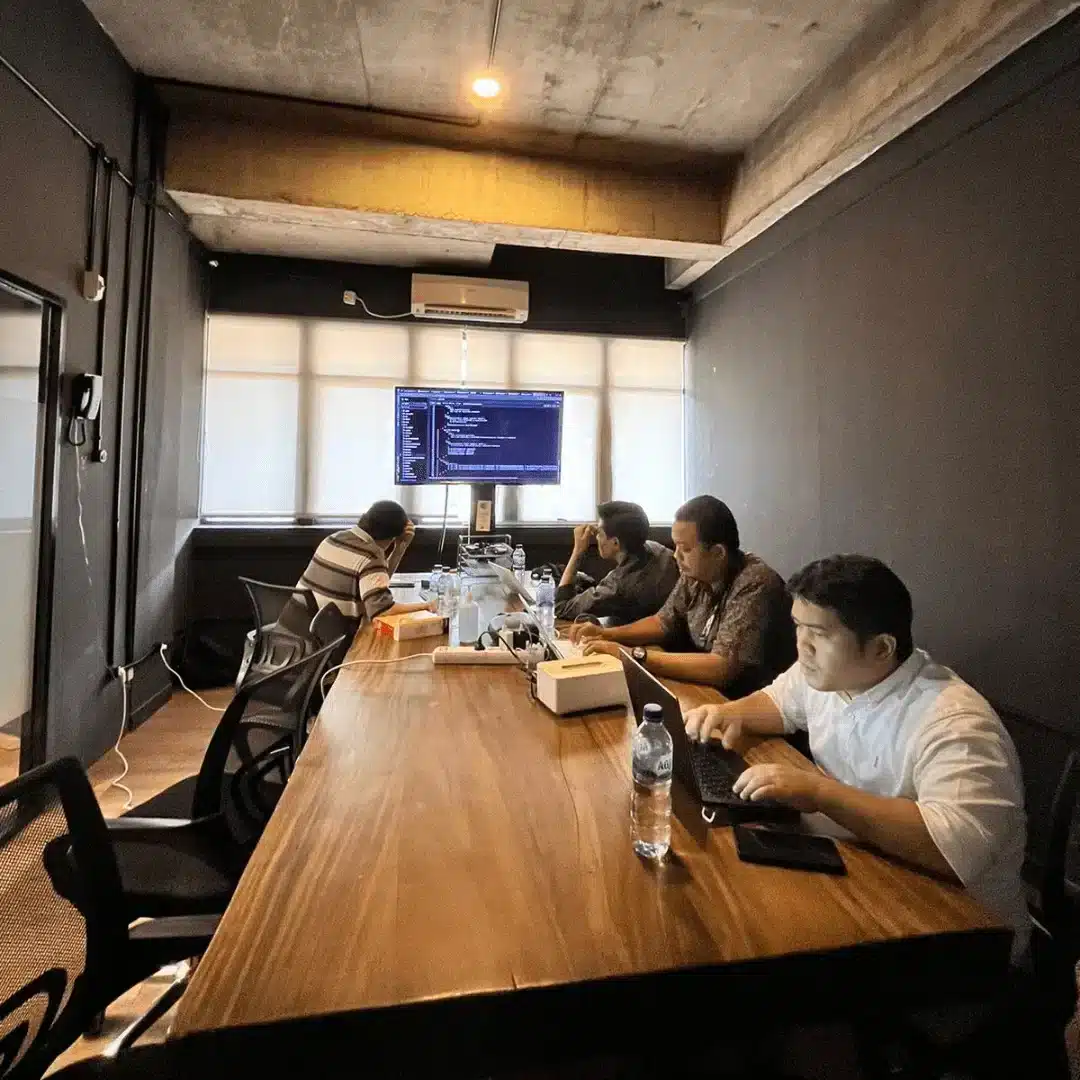
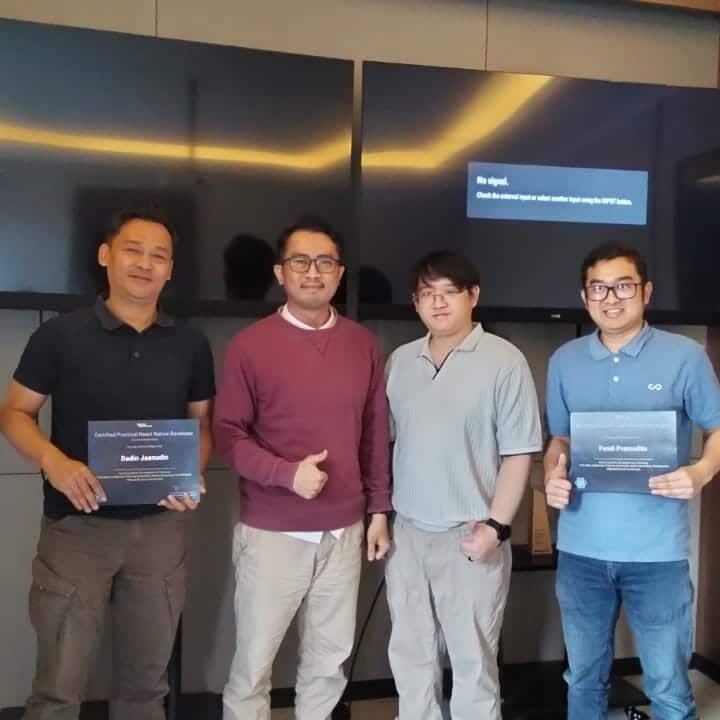
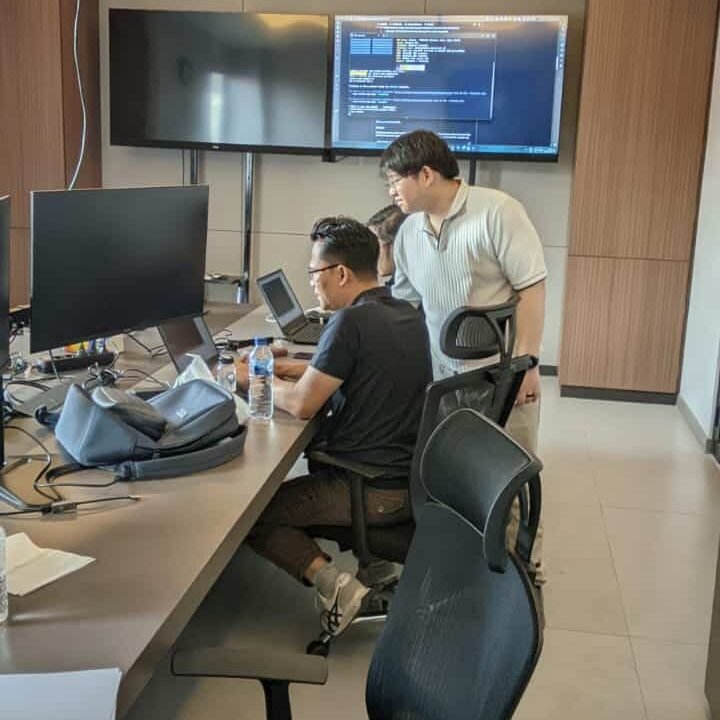
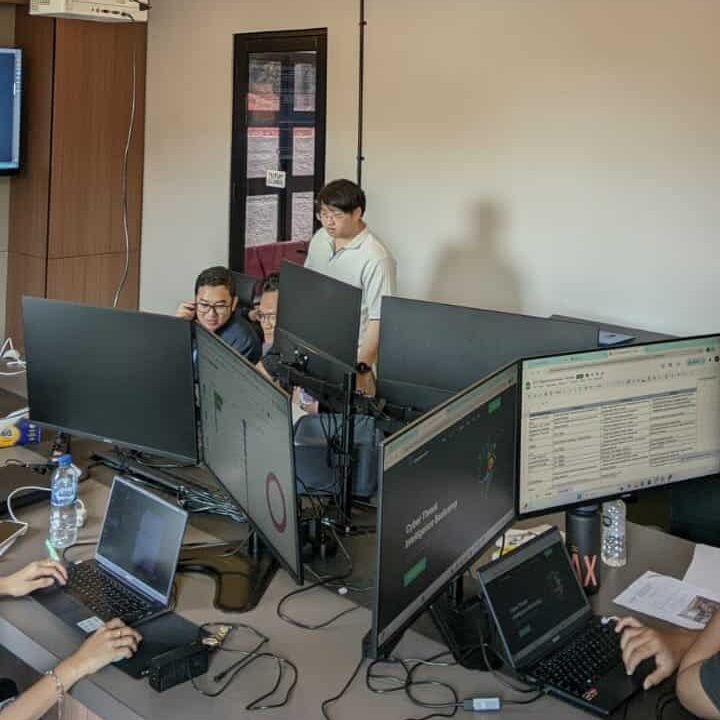
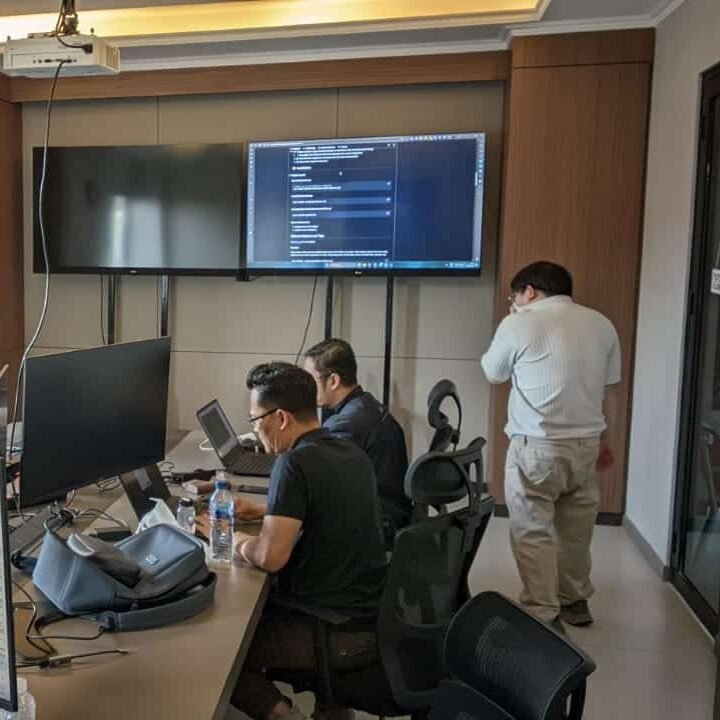
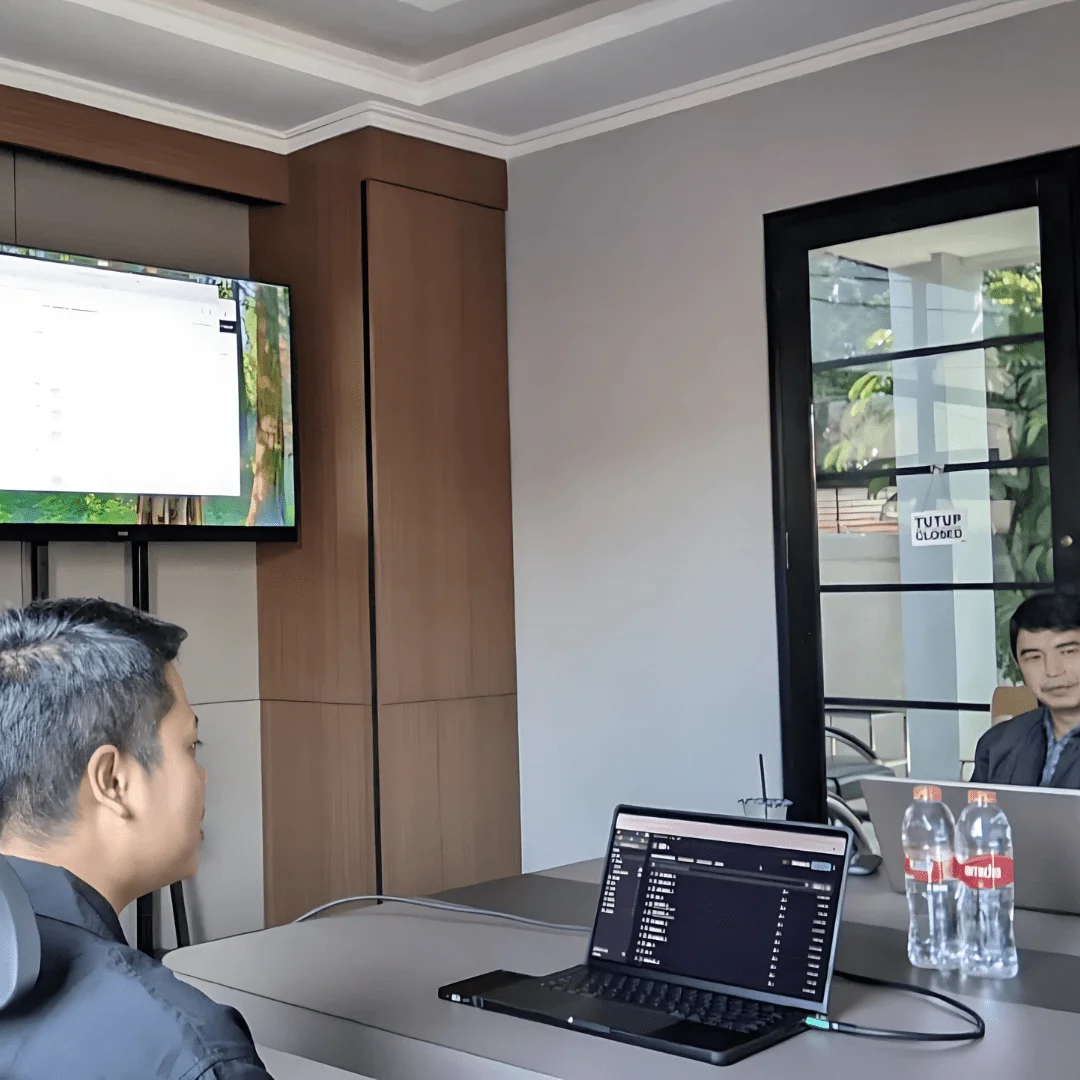
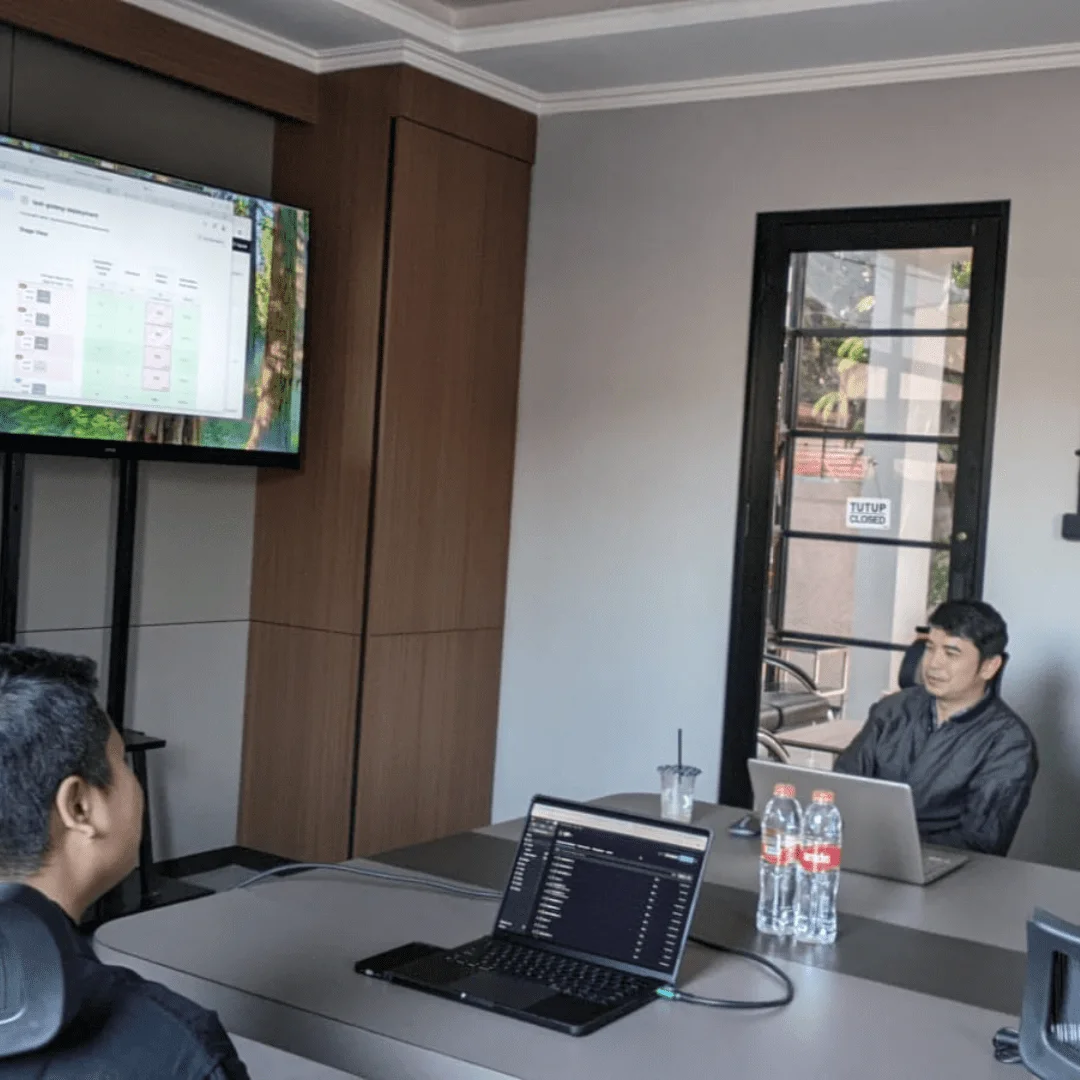
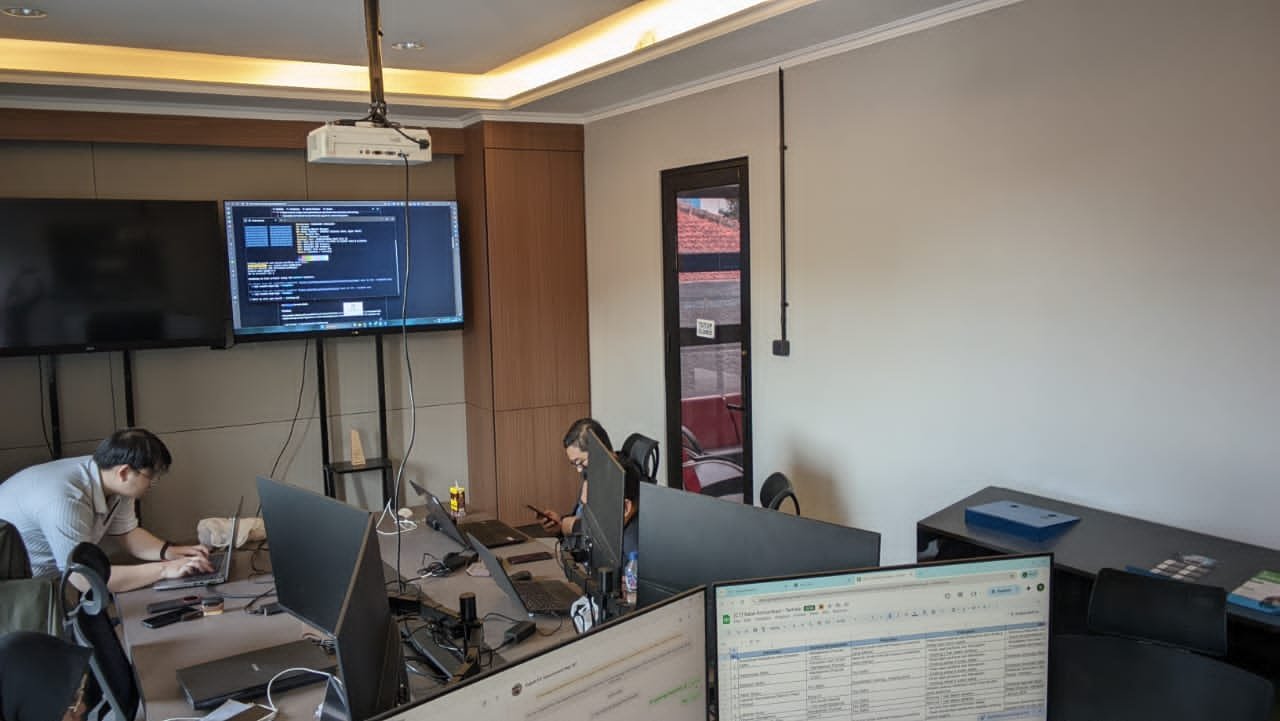
What Do They Say About This Training
Our Professional Certification
Get Special Prices During the Promotion
Early Bird I
- Intensive Training (5 Days)
- Official EC-Council Exam Voucher
- Official Training Material (e-Courseware)
- Official iLabs Access
- Certificate of Attendance
FAQ
CHFI adalah pelatihan EC-Council untuk mengembangkan kemampuan investigasi forensik komputer dan analisis bukti digital secara profesional.
Suitable for SOC analysts, IT security professionals, forensic investigators, and fresh graduates who want to focus on digital forensics.
This training lasts for 5 intensive days with theory, hands-on lab, and real case studies.
Yes, the participants conducted a digital investigation simulation in a virtual lab using various forensic tools.
Yes, after passing the official EC-Council exam, participants receive an international CHFI certificate.
6. What are the benefits of taking CHFI?
Participants learn to use EnCase, FTK, Autopsy, X-Ways, and other forensic tools for investigating digital evidence.
They have entrusted it to us